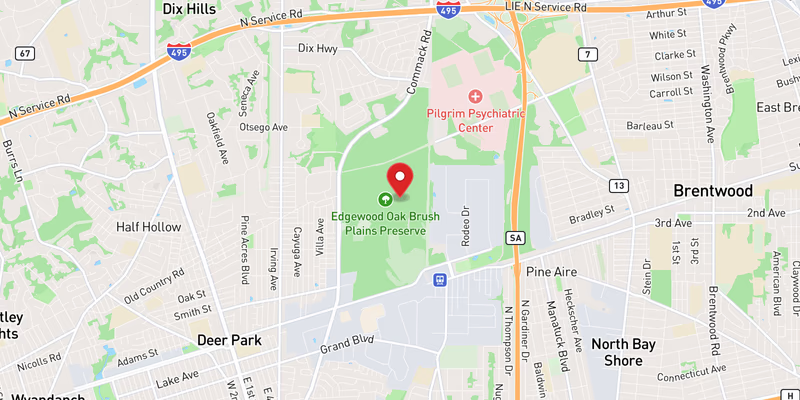
 Incident location, Long Island
What Happened
A Long Island Rail Road train struck debris in one of the East River tunnels during Wednesday morning’s commute, causing widespread disruptions to service after an earlier disabled NJ Transit train had created complications in the area. The incident occurred following the NJ Transit train issue, with debris left in the tunnel that the LIRR train subsequently hit.
Despite striking the debris, the LIRR train was able to continue operating and arrived at Penn Station under its own power, according to reports. Once at Penn Station, all passengers aboard the affected train were safely transferred to a rescue train to continue their journeys. The original train that struck the debris was then taken out of service for a thorough examination to assess any potential damage from the collision.
The incident caused significant disruptions throughout the LIRR system during the critical morning rush hour period. LIRR customers experienced a combination of train cancellations, service reroutes, and delays as the railroad worked to manage the situation and maintain service levels. Some trains that would normally terminate at Penn Station were rerouted to Grand Central Terminal as LIRR officials dealt with the disabled train at Penn Station and worked to clear the affected tunnel.
NewsCopter 7’s John Del Giorno provided aerial coverage of the incident, reporting on the transportation disruptions from above. The incident occurred during peak morning commute hours when thousands of Long Island residents rely on LIRR service to reach their jobs in Manhattan and other destinations.
Fortunately, no injuries were reported in connection with either the debris strike or the subsequent passenger transfers and service disruptions. The safe arrival of the train at Penn Station under its own power and the successful passenger transfer to rescue trains prevented what could have been a more serious situation requiring emergency evacuation procedures in the tunnel system.
The Metropolitan Transportation Authority directed affected passengers and those seeking current service information to visit their official website at https://www.mta.info/ for real-time updates on service restoration and alternative travel options during the morning disruption.
Location & Road Context
The East River tunnels are critical infrastructure connecting Long Island to Manhattan, carrying thousands of commuters daily through the underwater passages. These tunnels, originally built in the early 1900s, serve as the primary rail link for LIRR passengers traveling between Long Island and Penn Station in Midtown Manhattan. The tunnel system consists of multiple tubes that allow trains to pass beneath the East River, making them essential bottlenecks in the regional transportation network.
When incidents occur in these tunnels, they can have cascading effects throughout the entire LIRR system, as alternative routing options are limited. The rerouting of some trains to Grand Central Terminal demonstrates the operational challenges faced when one of these critical tunnel passages is compromised or needs to be taken out of service for safety inspections and debris removal.
Broader Impact
The debris strike highlights the interconnected nature of the regional rail system, where problems with one operator like NJ Transit can create downstream effects for LIRR passengers. The incident demonstrates how quickly transportation officials must adapt during rush hour disruptions, implementing passenger transfers and service rerouting to maintain safety while minimizing delays for the thousands of commuters who depend on reliable rail service to reach their destinations in Manhattan.