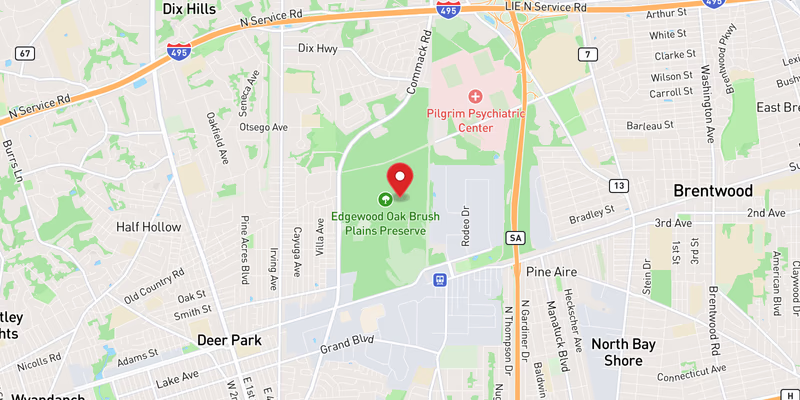
 Incident location, Long Island
What Happened
A woman was injured in a drunken driving crash that occurred Thursday, April 30, 2026, in Nassau County, according to authorities. The incident has been classified as a major accident by local officials, though specific details about the crash location and circumstances remain under investigation.
The nature and extent of the woman’s injuries have not been disclosed by authorities at this time. It remains unclear whether the injured woman was the driver suspected of operating under the influence or a passenger or occupant of another vehicle involved in the collision.
Police have not yet released information about the specific roadway where the crash occurred, the time of day, or the number of vehicles involved in the incident. The classification of the accident as “major” suggests significant property damage, serious injuries, or both, though officials have not provided details about the crash dynamics or contributing factors beyond the involvement of alcohol.
Nassau County Police are expected to release additional information as their investigation progresses. The department typically conducts thorough investigations of alcohol-related crashes, including analysis of the crash scene, vehicle damage patterns, and witness statements when available.
Authorities have not announced whether any arrests have been made in connection with the incident or what charges may be pending. In New York State, DWI-related crashes that result in injuries can lead to felony charges depending on the severity of injuries sustained and the driver’s blood alcohol content at the time of the incident.
Location & Road Context
Nassau County encompasses a substantial portion of western Long Island and includes numerous high-traffic corridors that see frequent accidents throughout the year. The county’s road network includes major arteries such as the Long Island Expressway, Northern State Parkway, Southern State Parkway, and Meadowbrook State Parkway, along with countless local roads and commercial strips.
According to local incident data, Nassau County has recorded 311 accidents in the Long Island Traffic database, indicating the ongoing challenges faced by motorists navigating the area’s busy roadways. The county’s mix of suburban residential areas, commercial districts, and major highway connections creates diverse driving conditions that can contribute to various types of traffic incidents.
Recent incidents in the broader Long Island area have included ongoing roadwork on both the Meadowbrook State Parkway and Wantagh State Parkway, as well as weather-related hazards such as downed trees affecting the Northern State Parkway. These conditions can create additional challenges for drivers and may contribute to increased accident risks during certain periods.
Investigation & Legal Proceedings
The Nassau County Police Department’s investigation into the crash is ongoing, with authorities likely examining multiple factors including the driver’s blood alcohol content, vehicle speeds, road conditions at the time of the incident, and any potential contributing circumstances.
In cases involving alcohol-related crashes with injuries, prosecutors typically pursue charges that can range from misdemeanor DWI to more serious felony charges. The specific charges will likely depend on the severity of the injuries sustained, the driver’s blood alcohol level, and whether the individual has any prior DWI convictions on their record.
New York State law provides for enhanced penalties when DWI incidents result in physical injury to another person, with potential consequences including significant jail time, substantial fines, license revocation, and mandatory installation of ignition interlock devices.
Broader Impact
This incident adds to the ongoing concerns about impaired driving on Long Island’s roadways, particularly during spring and summer months when increased social activities and warmer weather can lead to higher rates of alcohol-related crashes. Nassau County authorities have historically maintained active enforcement efforts targeting impaired drivers, including sobriety checkpoints and increased patrols during high-risk periods such as holidays and weekends.
The classification of this crash as a major incident underscores the serious consequences that can result from the decision to drive under the influence of alcohol. Such crashes often have lasting impacts not only on those directly involved but also on emergency responders, healthcare systems, and the broader community.