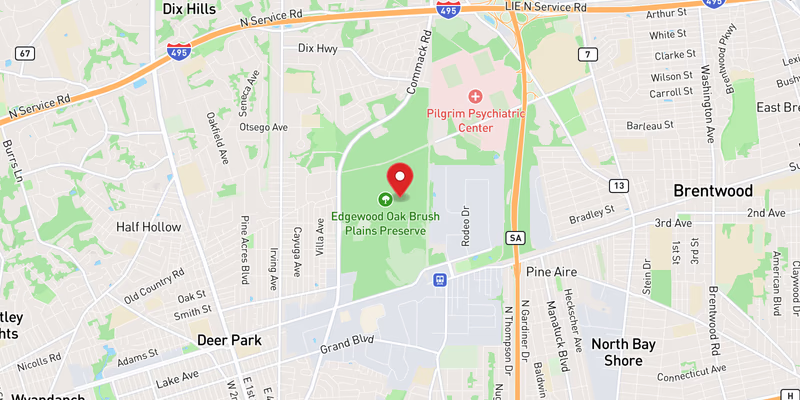
 Incident location, Long Island
What Happened
A Long Island Rail Road train struck debris in an East River tunnel Wednesday morning, triggering widespread service disruptions during the height of the commute rush. According to the MTA, the LIRR train traveling from Jamaica to Penn Station became stuck in the tunnel around 6:20 a.m. after the engineer reported striking debris on the tracks.
The incident prompted immediate emergency response as passengers found themselves stranded in the tunnel system. SkyFOX flew over the scene, where a disabled train could be seen in the tunnel area as emergency crews responded to the situation. All passengers aboard the LIRR train were safely evacuated, according to officials, though the evacuation process added to mounting frustration among commuters already facing delays.
The debris strike followed an earlier issue in the same Amtrak-operated tunnel involving a disabled NJ Transit train that was later removed. This sequence of events in the critical East River crossing created a cascading effect of delays that rippled throughout the morning commute for both Long Island and New Jersey transit systems.
According to officials, the disruption specifically affected the Long Beach Branch, triggering widespread service disruptions that forced the MTA to implement cancellations, delays, and reroutes during the morning commute. Some passengers were being evacuated from affected trains as frustration mounted among riders, with many taking to social media to express their displeasure with the service interruptions.
The social media complaints painted a picture of commuter frustration, with one rider writing, “Another dreamy morning on the #LIRR … it is like they are on strike already,” while others complained about being stuck in tunnels and waiting to be rerouted. The comments reflected the broader impact of the incident on thousands of commuters trying to reach Manhattan for work.
Riders were advised to check the TrainTime app and the MTA website for real-time service updates as crews worked to clear the disabled train and restore normal service. The MTA’s response highlighted the importance of real-time communication during major service disruptions, particularly during peak commuting hours when delays can affect thousands of passengers simultaneously.
Location & Road Context
The East River tunnel system represents one of the most critical transportation links connecting Long Island to Manhattan, serving as a vital conduit for LIRR passengers commuting to Penn Station. The Amtrak-operated tunnel carries multiple rail services, making any disruption particularly impactful for regional transportation networks.
The tunnel’s strategic importance means that incidents like debris strikes can create widespread delays affecting not only LIRR services but also connecting transit systems. The fact that both NJ Transit and LIRR experienced issues in the same tunnel on the same morning underscores the interconnected nature of the region’s rail infrastructure and how problems in one area can compound throughout the system.
Broader Impact
The debris strike incident highlights the vulnerability of the region’s aging tunnel infrastructure to operational disruptions. The East River tunnels, which serve as critical arteries for thousands of daily commuters, demonstrate how a single incident can cascade into system-wide delays affecting multiple transit agencies. The sequential problems with both NJ Transit and LIRR trains in the same tunnel within hours of each other underscore the operational challenges facing the region’s interconnected rail network, particularly during peak commuting periods when passenger volumes are at their highest.
The evacuation process, while conducted safely according to officials, represents the complex logistics involved in managing passenger safety during tunnel incidents. Emergency crews’ ability to respond effectively in the confined underground environment while coordinating with multiple transit agencies demonstrates the importance of established protocols for such events in one of the nation’s busiest transportation corridors.