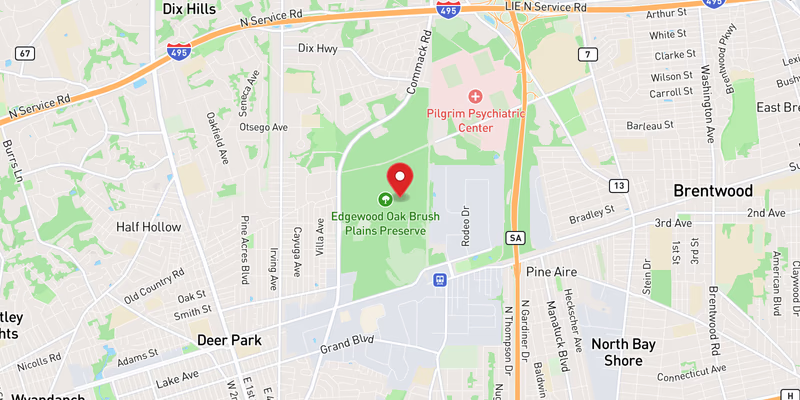
 Incident location, Long Island
What Happened
A Long Island Rail Road train struck debris in one of the East River tunnels during the Wednesday, April 29, 2026 morning commute, causing widespread disruptions to rail service, according to ABC7 New York. The incident occurred following an earlier disabled NJ Transit train in the same area, creating a cascade of transportation problems for commuters traveling into Manhattan.
The LIRR train involved in the debris strike was able to arrive at Penn Station under its own power despite the impact, ABC7 reports. Once at the station, all passengers aboard the affected train were transferred to a rescue train as a safety precaution. The original train that struck the debris was then taken out of service to undergo a thorough examination to assess any potential damage from the collision.
LIRR customers experienced significant service disruptions as a result of the incident, including train cancellations, route changes, and delays throughout the morning rush hour period. To manage the situation and minimize passenger inconvenience, some trains were rerouted to Grand Central Terminal while LIRR crews tended to the damaged train at Penn Station, according to the Metropolitan Transportation Authority.
Despite the dramatic nature of a train striking debris in a tunnel, no injuries were reported in connection with the incident, ABC7 confirmed. The successful transfer of passengers to a rescue train and the train’s ability to reach Penn Station under its own power likely prevented what could have been a more serious situation requiring emergency evacuation procedures in the tunnel system.
John Del Giorno provided aerial coverage of the incident from NewsCopter 7, offering viewers a comprehensive view of the transportation disruptions caused by the debris strike. The MTA directed passengers to visit https://www.mta.info/ for the most current information regarding service changes and delays related to the incident.
The timing of the debris strike during the morning commute significantly amplified its impact on the region’s transportation network. Wednesday morning rush hour typically sees thousands of Long Island commuters relying on LIRR service to reach their jobs in Manhattan, making any service disruption particularly disruptive to the regional economy and daily routines.
Location & Road Context
The East River tunnels represent a critical transportation link between Long Island and Manhattan, carrying thousands of LIRR passengers daily through the underwater passage. These tunnels are among the most heavily utilized sections of the LIRR system, making any disruption particularly impactful during peak travel periods.
The connection between the earlier disabled NJ Transit train and the subsequent LIRR debris strike highlights the interconnected nature of the regional rail system. When one component experiences problems, it can create a domino effect that impacts multiple rail lines and thousands of commuters across the New York metropolitan area. The East River crossing represents a bottleneck in the system where problems tend to compound quickly.
Investigation & Legal Proceedings
While the source material does not provide specific details about ongoing investigations or legal proceedings related to the debris strike, the MTA’s standard protocol involves a thorough examination of any train involved in such incidents. The affected LIRR train was removed from service for inspection to determine the extent of any damage and ensure it meets safety standards before returning to passenger service.
The investigation will likely focus on identifying the source and nature of the debris that caused the incident, as well as reviewing how the earlier disabled NJ Transit train may have contributed to the situation. Such examinations are routine following any incident involving passenger trains and help prevent similar occurrences in the future.
Broader Impact
This incident underscores the vulnerability of the aging East River tunnel infrastructure that serves as a vital link for Long Island commuters. The tunnels, which carry hundreds of thousands of passengers annually, represent a critical chokepoint in the regional transportation network where even minor incidents can cause widespread disruptions. The MTA has ongoing projects to improve tunnel reliability and capacity, but incidents like this demonstrate the ongoing challenges of maintaining century-old infrastructure while serving modern transportation demands.