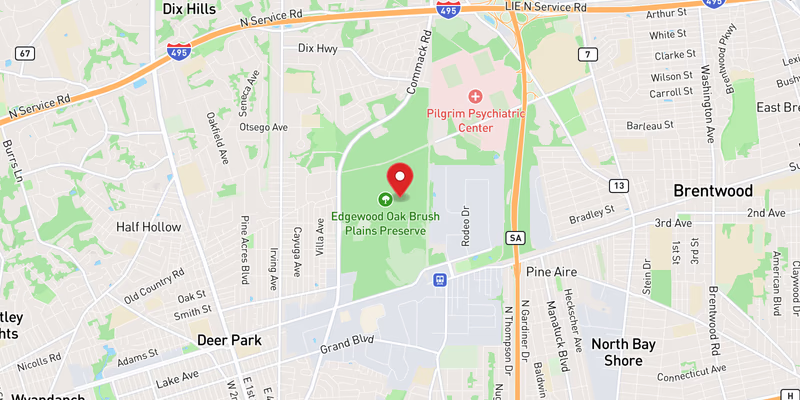
 Incident location, Long Island
What Happened
A Long Island Rail Road train struck fallen debris inside an East River tunnel during Wednesday morning’s commute, creating widespread chaos that affected eight of the railroad’s 11 lines with delays and cancellations. The incident forced passengers to be evacuated from the tunnel and severely disrupted service for thousands of commuters trying to reach Manhattan, according to LIRR officials.
The disruption began around 4 a.m. when a New Jersey Transit train first became stuck in the East River tunnel, Amtrak confirmed. Approximately two hours later, around 6 a.m., the LIRR train also became stuck in the same tunnel after striking debris. “All I can tell you right now is we hit a piece of metal,” LIRR president Rob Free said Wednesday, describing the nature of the debris that caused the incident.
The collision occurred in Line 4 of the four train tunnels that run under the East River, which are operated by Amtrak and shared by multiple commuter rail services including LIRR, NJ Transit, and Amtrak trains. At the time of the incident, Amtrak was already conducting repairs in Line 2, leaving only three tunnels operational to handle all rail traffic between Long Island and Manhattan.
At the peak of the disruption, eight of the LIRR’s 11 train lines experienced delays or complete cancellations as crews worked to evacuate passengers safely from the tunnel and assess the damage. The chaos forced major service adjustments throughout the morning commute, with trains being diverted to Grand Central Madison and others forced to terminate service at Jamaica station, where passengers had to transfer to subway lines or other trains to complete their journey to Manhattan.
Just before noon on Wednesday, three major lines remained significantly impacted by the incident. The Babylon Branch, City Terminal Zone, and Port Washington Branch continued to experience delays because service into Penn Station remained restricted while crews conducted thorough inspections of the tunnel and worked to resolve the ongoing issues, according to LIRR officials.
LIRR President Free indicated uncertainty about when normal service would resume, stating that they wouldn’t know until later in the day whether trains would return to regular schedules in time for the evening commute. Amtrak issued a statement saying, “We are determining where this debris came from and the cause of the issue with the first train,” as investigators worked to understand how the metal debris ended up in the tunnel.
Passengers throughout the LIRR system faced significant inconvenience during the morning rush hour, with reports of packed platforms, extended travel times, and widespread confusion about last-minute changes to their usual commuting routes, according to CBS reports. The disruption highlighted the vulnerability of the current tunnel system during the ongoing repair work.
Location & Road Context
The East River tunnels represent a critical transportation bottleneck connecting Long Island to Manhattan, with four tubes normally handling the massive daily flow of commuter rail traffic. These tunnels, operated by Amtrak, serve as the primary rail link for LIRR passengers traveling to Penn Station, as well as for NJ Transit and Amtrak’s intercity services.
The incident’s impact was magnified by the fact that one of the four tunnels was already out of service for scheduled repairs, reducing capacity by 25 percent even under normal circumstances. This left only three operational tunnels to handle the combined traffic from three different rail systems during one of the busiest commuting periods of the day, creating a situation with virtually no margin for error when problems arise.
Broader Impact
The disruption underscored the precarious state of the East River tunnel infrastructure, where the loss of even one additional tunnel to debris or mechanical problems can cascade into system-wide delays affecting tens of thousands of daily commuters. With ongoing repair work already limiting capacity, any unexpected incident in the remaining operational tunnels creates a domino effect that ripples throughout the entire Long Island Rail Road network, forcing passengers to seek alternative transportation methods and highlighting the urgent need for infrastructure redundancy in this critical transportation corridor.