What Happened
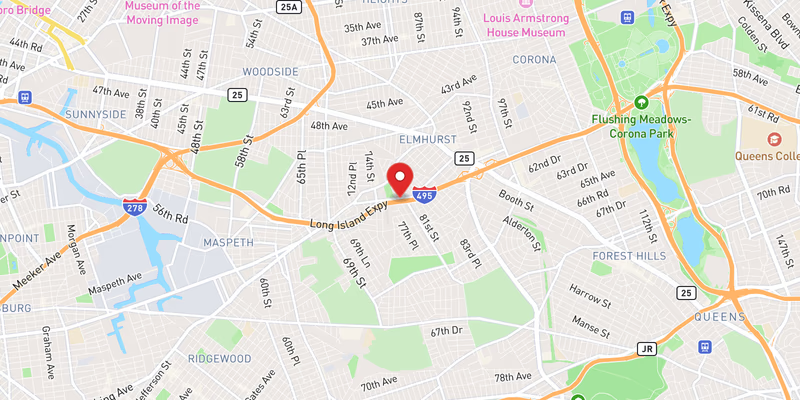
A minor crash on westbound I-495 in Queens County prompted the closure of the right lane on Tuesday, August 11, 2026. The incident was logged in the Long Island Traffic incident system, which tracks real-time road impacts across the region. Beyond the lane closure, no further details — including the exact time of the crash, the number of vehicles involved, or any injuries — have been confirmed in official records available at the time of publication.
The right lane blockage on the westbound side of the Long Island Expressway posed an immediate slowdown risk for drivers heading toward the Queens–Midtown Tunnel and New York City, a stretch of the expressway that routinely carries some of the highest traffic volumes on Long Island. Police have not yet confirmed additional specifics about the cause or parties involved.
Location & Road Context
I-495, the Long Island Expressway, is one of the most heavily traveled corridors in the New York metropolitan area, running roughly east-west from the Queens–Midtown Tunnel through Nassau and Suffolk counties. The westbound lanes in Queens represent the final miles before traffic funnels into the city, making even a single right-lane closure significant during peak travel periods.
Long Island Traffic’s database records 2,186 incidents on I-495, and Queens County accounts for 247 logged accidents in total. Tuesday’s crash was one of several on the expressway that same day — the incident database also shows roving repairs, roadwork, and separate construction activity on I-495 on August 11, 2026 alone, compounding congestion risks across the corridor.
Broader Impact
The stretch of I-495 running through Queens has seen a consistent pattern of minor crashes in recent days. In the five days leading up to this incident, Long Island Traffic recorded at least five separate crashes on I-495, including a minor crash on August 10, another on August 10, a third on the same date, one on August 9, and one on August 8 — all classified as minor severity. The frequency underscores the persistent crash risk on this corridor, particularly as summer traffic volumes remain elevated heading into mid-August.